VigiloX Security Blog
Stay informed with the latest trends, best practices, and expert insights from the security industry.

Security Operations in 2026: What’s Changing on the Ground
The day-to-day is changing: clients want proof, faster updates, and fewer surprises. Here are the shifts we’re seeing on real sites—and how to keep up without burning out the team.

December Playbook: Holiday Crowd Control Without the Chaos
When footfall spikes, the weak points show up fast: entry lines, unclear authority, and slow escalations. This is a simple playbook you can run every weekend in December.

How to Write Incident Reports That Clients Actually Trust
If a client has to call you to understand the report, the report didn’t do its job. Here’s how to write incident reports that are clear, factual, and useful—without turning it into an essay.

Mobile Patrol Routes: Deter More With Less Time
“Random routes” helps, but it’s not the whole answer. Good patrols reduce predictability, focus time on the right areas, and leave behind proof that’s easy to review.
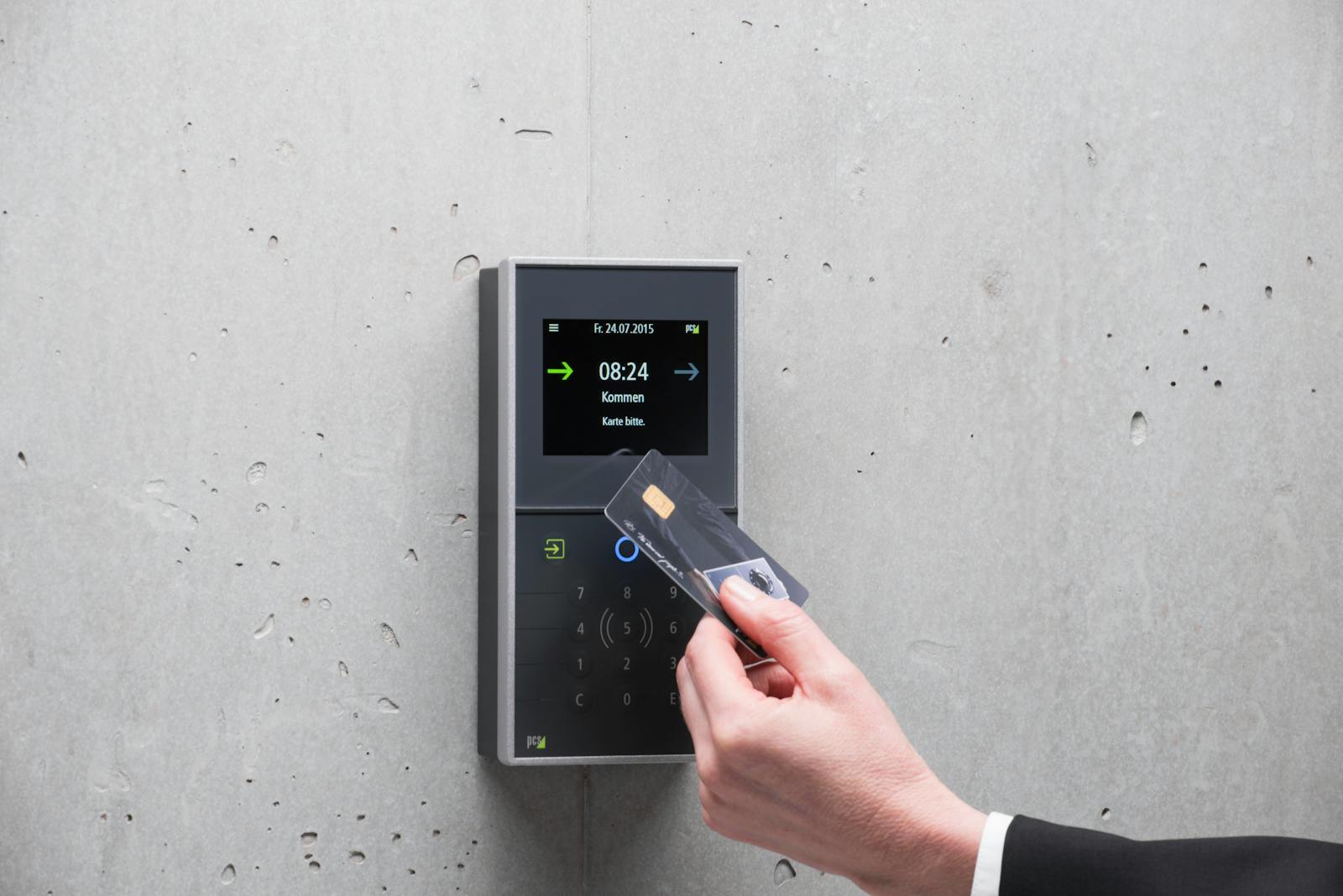
Access Control Basics: The Small Gaps That Become Big Incidents
It’s rarely the broken reader. It’s the “just this once” moments—tailgating, shared badges, visitors who skip the log—that quietly add risk until something goes wrong.
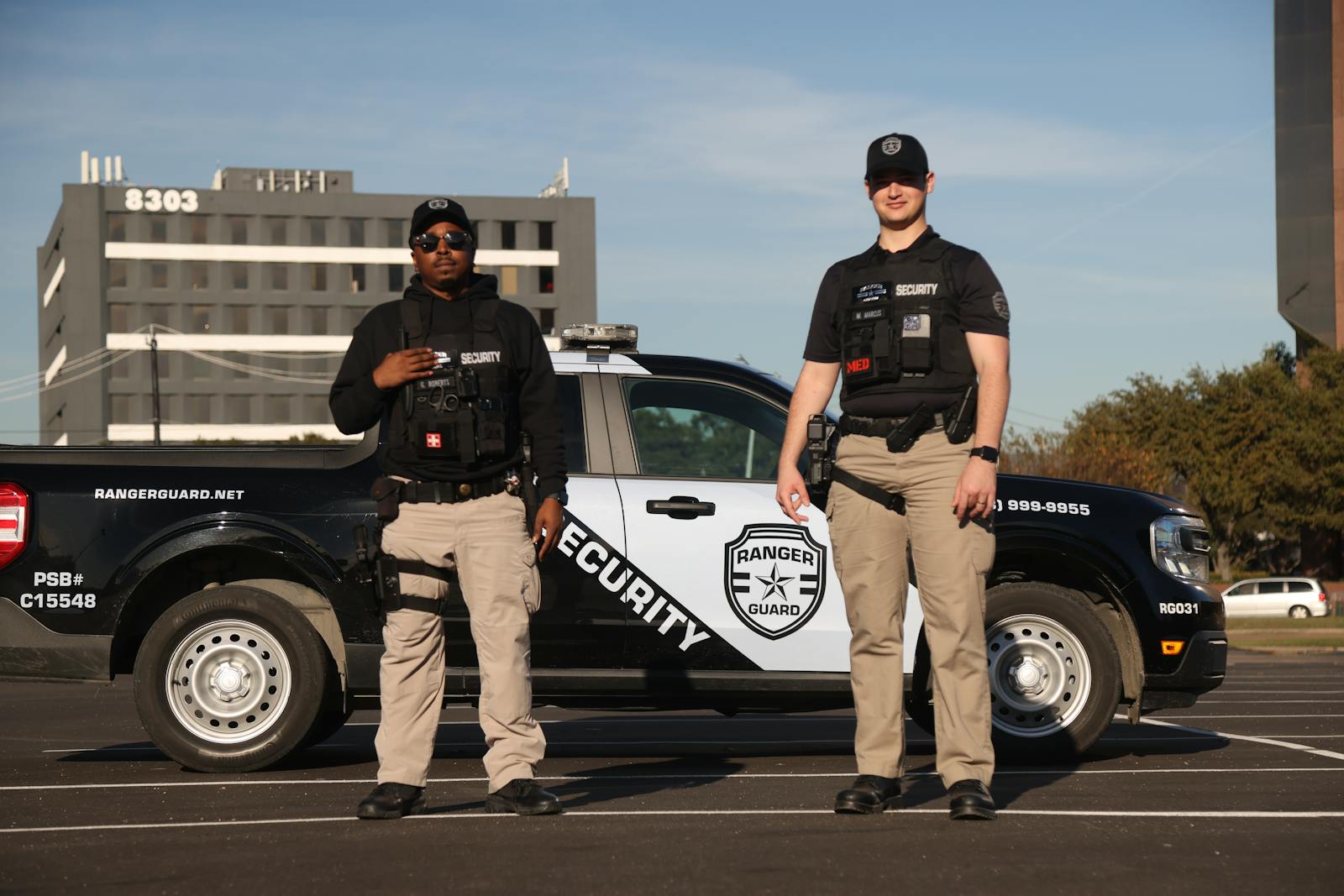
Guard Handover Done Right: Shift Changes Without Blind Spots
Shift change is where details get dropped. A short, structured handover keeps accountability clean and prevents “I thought the last shift handled it.”

K-9 Teams: Where They Add Value (and Where They Don’t)
K-9 teams can be a serious advantage, but only when they’re deployed for a clear reason. Done right, they deter and detect; done poorly, they become expensive optics.

Executive Protection: Comms, Routes, and ‘No-Surprises’ Planning
Executive protection is won in the boring details: tight comms, disciplined routes, and a plan that doesn’t fall apart when the schedule changes.

Training That Sticks: Turning SOPs Into Real Behavior
Everyone has read the SOP. The real question is: what do they do under pressure? Scenario drills build the muscle memory that a PDF never will.

Site Risk Assessments: A Checklist You Can Actually Use
Risk assessments don’t need to be a 40-page report. Here’s a lightweight checklist that finds real vulnerabilities and turns them into a plan a client will actually read.

Retail Loss Prevention: Deterrence Without Disruption
Loss prevention works best when it’s calm, visible, and consistent. The goal is to reduce shrink without turning the store into a hostile environment.

Visitor Management: Make the Front Desk a Control Point
Front desks are where security gets tested: busy moments, friendly pressure, and constant exceptions. A consistent visitor flow—especially in a mobile log—removes most of the risk.

Emergency Response: What ‘Fast’ Looks Like in Practice
Dispatch is only step one. ‘Fast’ means the team knows who leads, what happens first, and how updates go out—before adrenaline and noise take over.

Perimeter Security: Lighting, Lines of Sight, and Patrol Rhythm
A good perimeter plan is boring by design: consistent coverage, fewer hiding spots, and an escalation path everyone can repeat from memory.
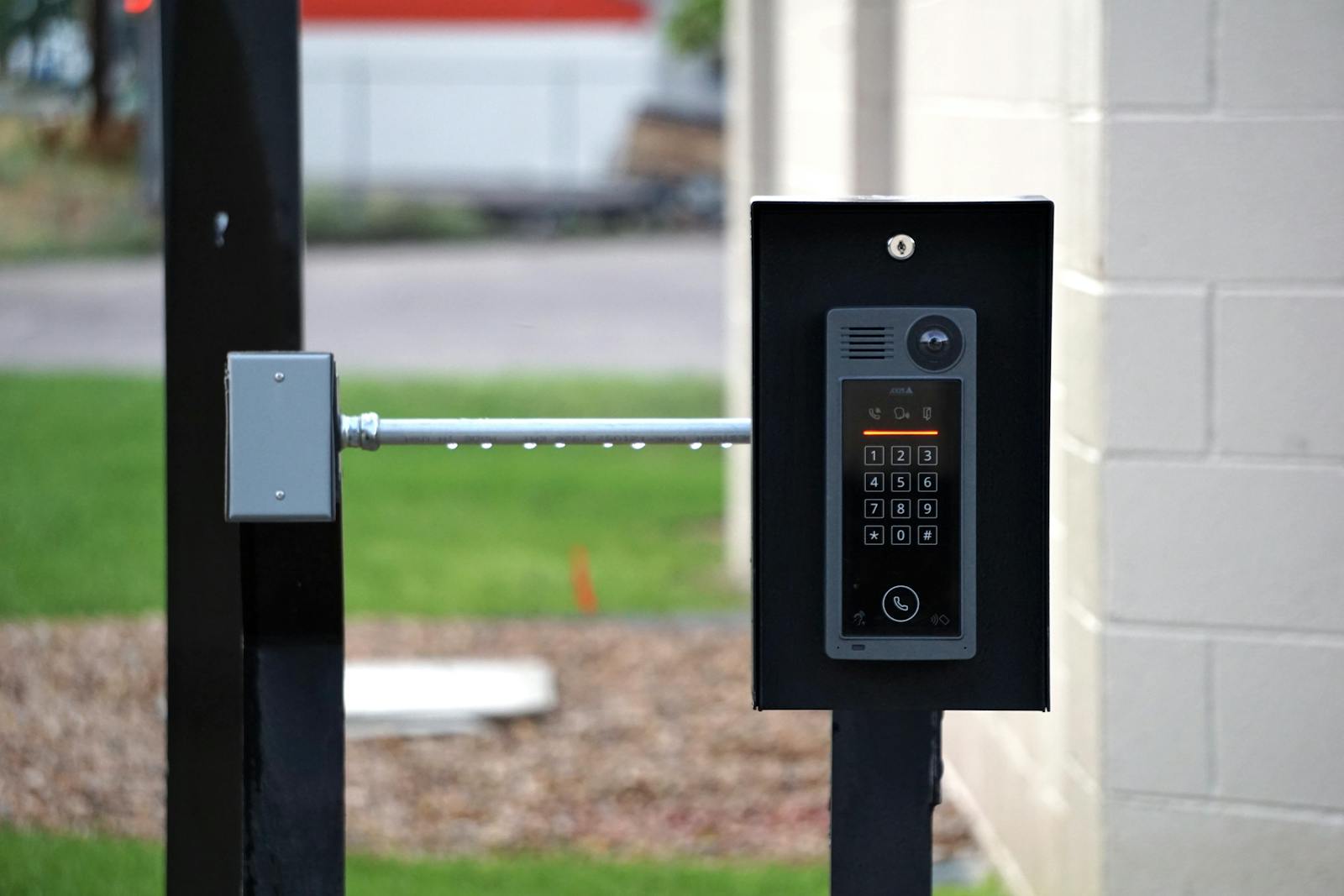
Residential Security: Layering Deterrence the Right Way
Cameras help, but layers win. Residential sites stay safer when visibility, access control, patrol presence, and response planning all reinforce each other.

Corporate Lobby Security: Balancing Welcome and Control
The goal isn’t to feel hostile—it’s to be consistent. When the rules change depending on who’s at the desk, you lose control fast.
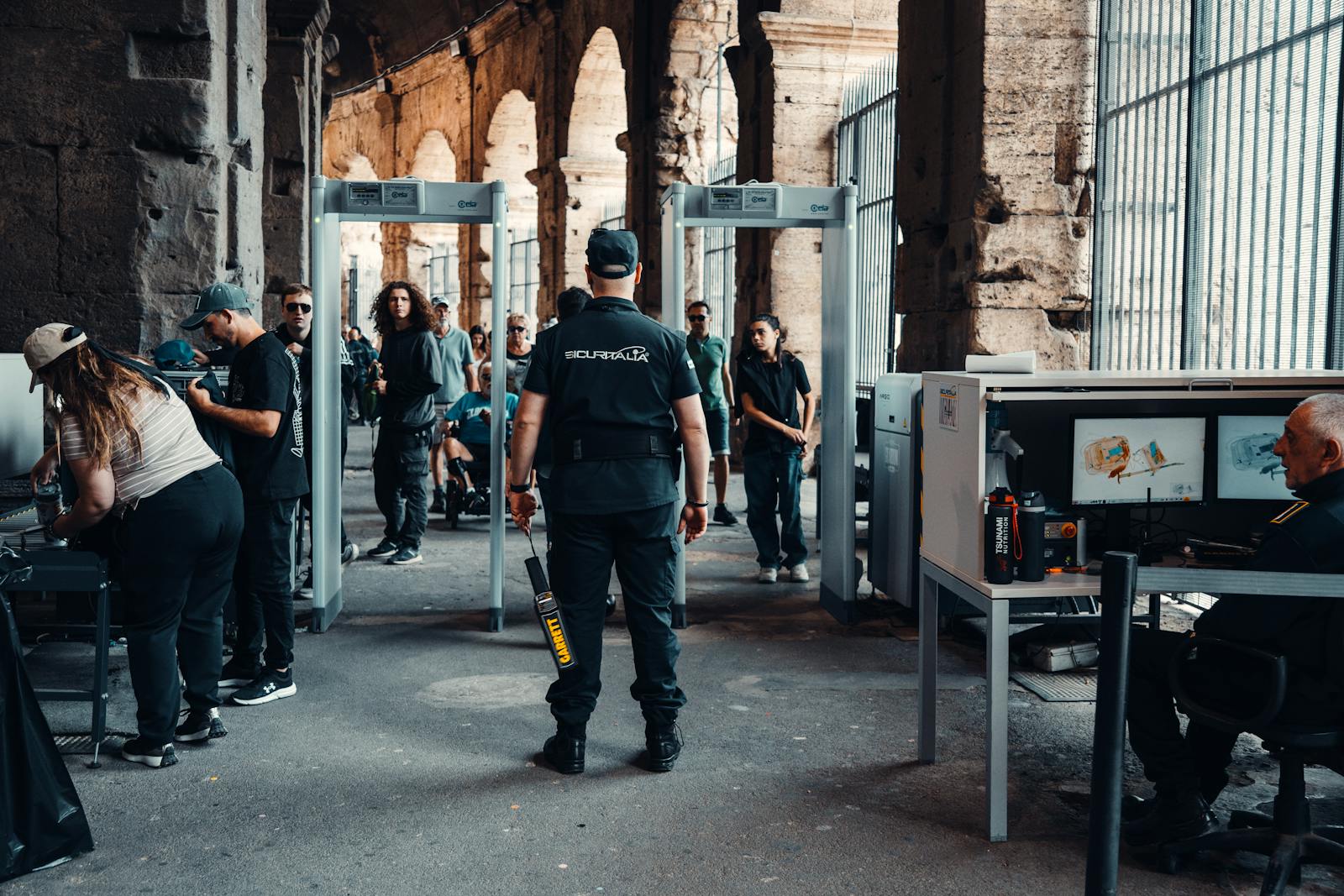
Event Security Briefings: The 10-Minute Routine That Prevents Incidents
A 10-minute briefing won’t feel like much—until you skip it. This routine aligns roles, radio discipline, and escalation triggers before doors open.

Guard Presence: Posture, Positioning, and Professional Conduct
Small behaviors drive trust. Here’s what professional presence looks like on-site—confident, calm, and consistent without being overbearing.

Incident Escalation: When to Call, When to Contain
Escalation shouldn’t be a judgement call in the moment. A simple ladder keeps teams calm, clients informed, and outcomes consistent—especially on night shifts.

Patrol Logs: What to Record (and What to Stop Writing)
Better patrol logs lead to better decisions. The goal is signal, not filler—write what matters, skip what doesn’t, and make it easy to review later.
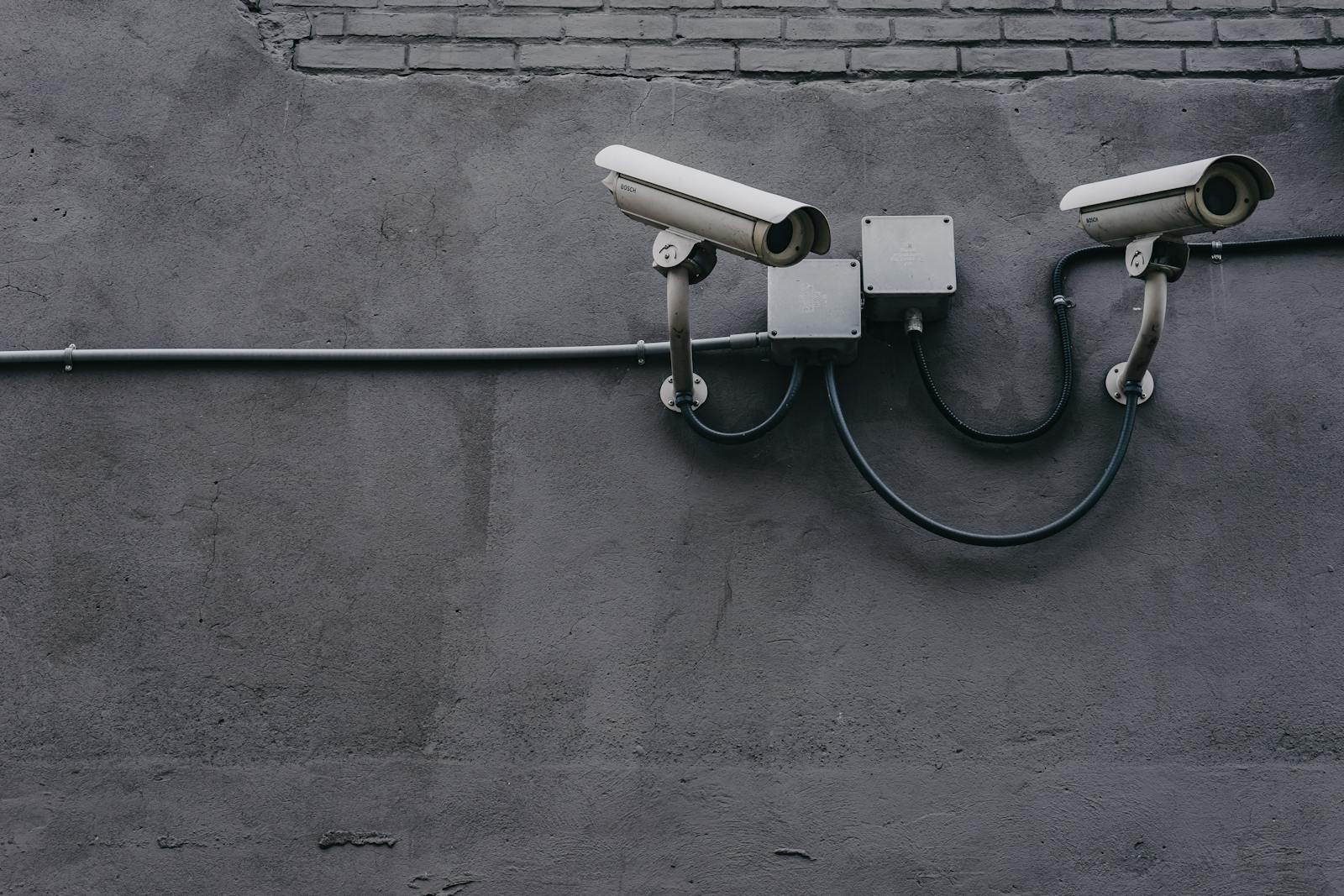
Cameras and Guards: How to Combine Them Without Gaps
CCTV doesn’t replace people. The best setups pair monitoring with a clear response path—who responds, how fast, and how it’s logged.

Security Staffing: Right People, Right Posts
Staffing isn’t about headcount—it’s about coverage that matches real risk. Here’s a practical way to choose post types, shift structures, and supervision levels.

Compliance in Security: Documented, Auditable, and Simple
Compliance is easiest when it’s built into the workflow. Keep documentation clean, training verifiable, and audits painless—without slowing down the site.

Residential Patrols: Visibility That Builds Trust
Residents notice the basics: consistent patrols, respectful engagement, and follow-up when something gets reported. Small habits build long-term trust.
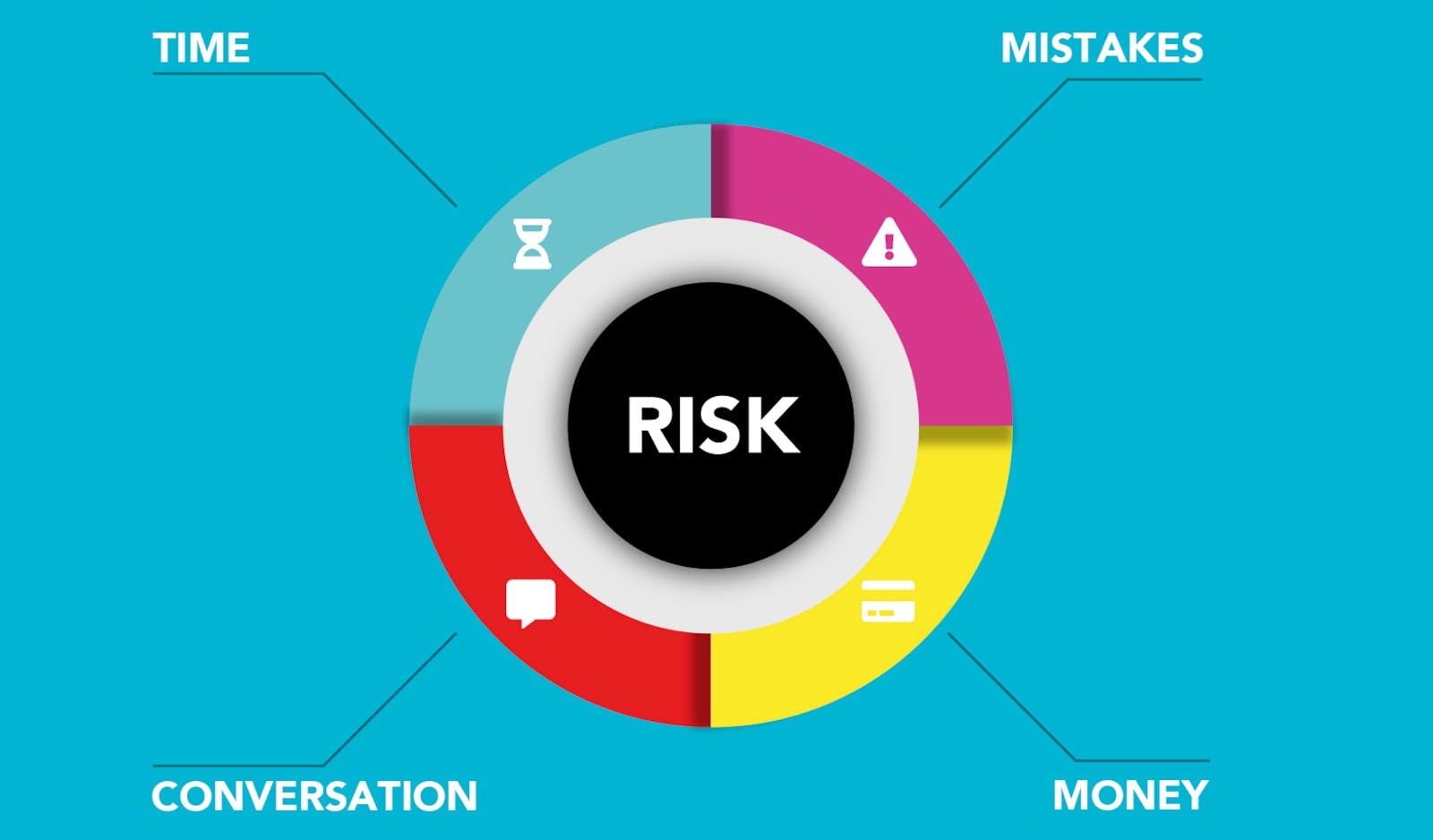
Start Here: The Basics of a Strong Security Program
If you’re building security from scratch, keep it simple: understand the risk, define roles, plan response, and set reporting standards. Everything else gets easier after that.

December 2023: Mobile-First Security Ops From Day One
We built VigiloX mobile-first for a simple reason: the real work happens on site. Faster handovers, cleaner patrol proof, and incident reporting that still holds up after midnight.